
Prepreg Layup
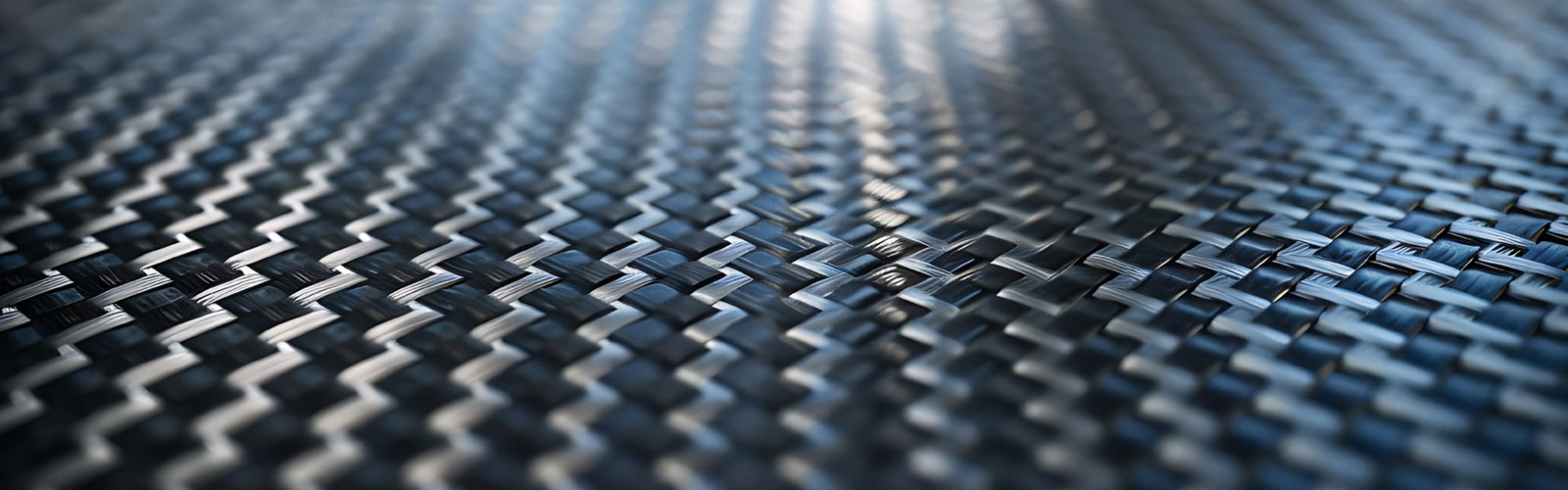
Hand Layup Process (Overview)
Hand layup is a manual composite manufacturing process in which layers of reinforcement material (such as carbon fibre or glass fibre) are placed onto a mould and combined with resin to build up a laminate structure. (Resin Library)
In the case of prepreg hand layup, the reinforcement is already pre-impregnated with resin, so the process mainly involves positioning and consolidating layers rather than adding resin manually. (APCM - Prepregs)
This method remains widely used because it allows skilled workers to create complex, high-performance parts that are difficult to achieve with automated processes. (Composites Knowledge Network)
Prepreg Hand Layup Process
In prepreg layup, the process is carried out by placing pre-impregnated plies layer by layer onto a mould. Each ply must be carefully aligned and compacted to avoid defects such as air pockets. A typical prepreg hand layup procedure includes:

Ply cutting / Kitting
Prepreg sheets are cut into required shapes using templates or automated cutters and then organized for assembly.
Tool Preparation
A release agent or medium is applied to the mould surface to prevent sticking. (APCM - Prepregs)
Ply placement / Deposition
Each prepreg layer is manually placed on the mould in a specific orientation according to design requirements.
Compaction & Aifr Removal
Rollers or squeegees are used to press the layers and eliminate trapped air, ensuring good bonding between plies.
Layer Build-Up
Additional plies are added sequentially to achieve the desired thickness and structural properties. (APCM - Prepregs)
Auxiliary Materials Application
Materials such as peel ply, bleeder, and vacuum bagging layers may be added before curing. (APCM - Prepregs)
Curing
The laminate is cured using heat and pressure (often in an oven or autoclave) to fully solidify the resin. (APCM - Prepregs)
Key Characteristics
Manual and Skill-Dependent
Hand layup relies heavily on operator skill. The quality of the final part depends on how accurately the worker places and compacts each layer.
Flexibility in Design
The process can easily adapt to complex geometries and design changes, making it ideal for prototypes and custom parts. (APCM - Prepregs)
Low Equipment Cost
Unlike automated methods, hand layup requires minimal tooling and equipment, making it relatively cost-effective. (Fictiv)
Advantages of Hand Layup
- Ability to manufacture complex shapes and intricate features (Composites Knowledge Network)
- Low initial cost and simple setup (Fictiv)
- Adaptability to design changes (APCM - Prepregs)
- Suitable for small production runs and prototyping (Fictiv)
Disadvantages of Hand Layup
- Labor intensive and time-consuming (Composites Knowledge Network)
- High dependence on operator skill (risk of human error) (Composites Knowledge Network)
- Difficulty maintaining consistent quality (e.g., fibre alignment, void content) (Fictiv)
- Slower production compared to automated methods (Composites Knowledge Network)
Summary
Hand layup, especially with prepregs, is a versatile and widely used composite manufacturing method where layers of material are manually placed and consolidated on a mould. While it offers significant advantages in flexibility, cost, and the ability to produce complex shapes, it is limited by its reliance on skilled labour and relatively low production efficiency.
It continues to play a major role in industries such as aerospace, automotive, marine, and sports equipment, particularly where high performance and customization are required. (Composites Knowledge Network)
